Source Electric Food Pin Mill for Grain, Spice, and Herb Processing
Compare 30 electric food pin mill options for grain, spice, and herb processing. These machines offer adjustable particle sizes, stainless steel construction, and CE/ISO certifications for reliable food-grade grinding applications; compare the available evidence and request quotations based on your requirements.
Key considerations
Products List


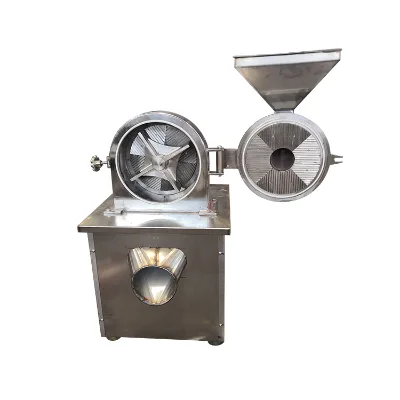


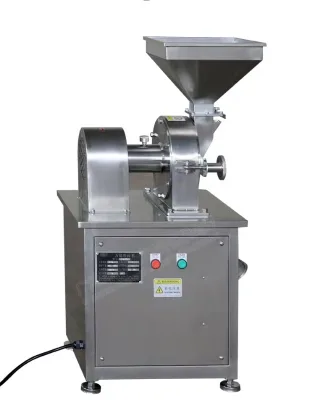
Comprehensive Sourcing Guide
Electric Food Pin Mill Sourcing Guide
Buyers evaluating electric food pin mills must first distinguish between general-purpose grinding units and specialized micronization systems. The observed market data indicates a wide capacity range, from 50 to 800 kg per hour for standard food grain applications, while advanced models with dynamic air classifiers can achieve ultra-fine outputs between 0.5 and 500 kg per hour depending on the specific material. This variance requires procurement teams to clearly define their throughput needs before selecting a machine, as a unit optimized for coarse corn grinding may lack the precision required for pharmaceutical or pigment processing.
The operational environment also dictates the necessary configuration, particularly regarding material compatibility and particle size control. While some units are designed specifically for food grains with a 20 to 120 mesh output, others support a broader spectrum including wood, plastic, and coal, with adjustable final particle sizes ranging from 1 to 10 microns. Procurement decisions should prioritize machines that offer customizable particle size and capacity, ensuring the selected equipment can handle the specific hardness and purity requirements of the intended raw materials without compromising product quality.
Product Scope and Observed Listing Signals
When reviewing supplier listings, buyers should note that the observed price range spans from approximately 6.89 to nearly 1,000,000 USD, reflecting significant differences in motor power, construction materials, and classification technology. A unit priced at the lower end typically features a 5.5 kW motor and basic stainless steel construction, whereas higher-priced models often include advanced features like built-in dynamic air classifiers, pulse jet dust collection systems, and compliance with GMP standards. Understanding this price spectrum is essential for aligning budget constraints with the necessary technical capabilities for the specific production line.
Minimum order quantities (MOQ) in the current market vary from a single unit to 100 units, suggesting flexibility for small-scale operations but potential volume incentives for larger buyers. The standard packaging for these industrial machines is typically wooden cases or export plywood cases, which is critical for protecting the equipment during international shipping from origins like Shandong, China. Buyers must verify if the listed price includes these specialized packing materials and whether the supplier offers customization for the model size or specific motor configurations to match local voltage standards.
Technical Specifications to Verify
The core mechanical performance of an electric food pin mill relies heavily on the motor speed and the crushing style employed. Most observed units operate at a speed of 4200 rpm and utilize a grinding and impact crushing style to achieve the desired particle reduction. Buyers must verify that the motor power matches the specific application, as the standard 5.5 kW rating may be insufficient for high-hardness materials or continuous production lines requiring higher throughput. Confirming the exact voltage, such as the observed 380V standard, is also vital to ensure compatibility with the facility's electrical infrastructure.
Particle size control is another critical specification that differentiates basic grinders from advanced micronization systems. While standard models produce outputs between 2 and 45 microns or 20 to 120 mesh, high-end units feature adjustable final particle sizes with a D50 range of 1 to 10 microns using built-in dynamic air classifiers. Procurement teams should request detailed test data or performance curves to confirm that the machine can consistently achieve the target fineness for their specific raw materials, whether they are food grains, herbs, or chemical powders, without excessive heat generation.
Compliance and Safety Documentation
Safety and regulatory compliance are paramount when sourcing industrial grinding equipment, especially for food and pharmaceutical applications. The observed market data indicates that many suppliers offer certifications including CE, ISO, UL, GMP, and FDA, which are essential for exporting to regulated markets. Buyers must explicitly request valid certification documents for the specific model they intend to purchase, as compliance status can vary between different product lines and manufacturing batches. Ensuring the equipment meets these standards is a prerequisite for legal operation and market access in many regions.
Beyond external certifications, the internal safety features of the machine must be thoroughly reviewed to protect operators and ensure process stability. Standard safety configurations observed in the market include splash guards, safety locks, overload protection, emergency stop buttons, and anti-slip feet. These features are critical for preventing accidents during maintenance or operation, particularly when handling high-speed rotating components. Procurement contracts should mandate that all safety mechanisms are fully functional and that the supplier provides comprehensive documentation on how to operate and maintain these safety systems effectively.
Cost Drivers and Commercial Terms
The total cost of ownership for an electric food pin mill is influenced by several factors beyond the initial purchase price, including energy consumption and maintenance requirements. Many modern units are marketed as energy-efficient with low heat generation, which is crucial for processing heat-sensitive materials like herbs or certain food products. Buyers should inquire about the specific energy consumption metrics and the type of dust collection system, such as pulse jet or cyclone separators, as these components significantly impact long-term operational costs and environmental compliance.
Commercial terms regarding warranty and after-sales support are equally important for mitigating procurement risks. The standard warranty period observed in the market is typically one year, but buyers should negotiate extended coverage for critical components like the motor and classifier. Additionally, suppliers often provide online support, video technical assistance, and the availability of engineers for overseas service. Clarifying the response time for technical support and the availability of spare parts is essential to minimize downtime and ensure the longevity of the investment in the grinding equipment.
Supplier Qualification and Quality Control
Verifying the supplier's manufacturing capabilities and quality control processes is a critical step in the sourcing journey. Most observed suppliers originate from regions like Shandong, China, and utilize materials such as Stainless Steel 304/316L or carbon steel for the equipment body. Buyers should request evidence of the manufacturing process, including quality control checks on the welding and assembly of the stainless steel components, to ensure the machine meets the required hygiene and durability standards for food and pharmaceutical applications.
The ability to customize the equipment is another key qualification factor for suppliers in this sector. Many manufacturers offer customizable options for particle size, capacity, and material compatibility, allowing buyers to tailor the machine to their specific production needs. It is advisable to engage in a detailed technical discussion with the supplier to confirm their capacity to modify the model size, motor power, and classification system. This level of customization ensures that the final product aligns perfectly with the buyer's operational requirements and production goals.
Long-Term Procurement Checks
Establishing a long-term relationship with a reliable supplier requires ongoing verification of product consistency and performance stability. Buyers should implement a system for periodic performance audits to ensure that the grinding mill continues to meet the specified output size and capacity over time. Regular monitoring of the machine's condition, including the wear of grinding pins and the efficiency of the air classifier, is necessary to maintain product quality and prevent unexpected production stoppages.
Future-proofing the procurement strategy involves staying informed about technological advancements and industry standards. As the market evolves, new models may offer improved energy efficiency, better dust control, or enhanced automation features. Buyers should maintain open communication with their suppliers to stay updated on these developments and consider upgrading or expanding their equipment fleet as needed. This proactive approach ensures that the procurement strategy remains aligned with industry best practices and the evolving needs of the production line.
FAQs
What is the output capacity of this electric food pin mill?
The output capacity ranges from 50 to 800 kg per hour depending on the specific model and material being processed. Some configurations offer a broader range of 0.5 to 500 kg per hour. This variability allows buyers to select a machine that precisely matches their production volume requirements for food grains or other applicable materials.
Can this grinder process heat-sensitive materials effectively?
Yes, the equipment supports low-temperature grinding, making it suitable for heat-sensitive materials. It features energy-efficient operation with low heat generation to preserve material integrity. This capability ensures that sensitive food, chemical, or pharmaceutical powders maintain their quality during the ultra-fine milling process without degradation from excessive thermal exposure.
What certifications are available for these grinding machines?
Available certifications include ISO, CE, UL, GMP, and FDA options. These standards ensure compliance with international safety and quality regulations for food, pharmaceutical, and chemical applications. Buyers can select models with specific certifications to meet regional regulatory requirements, ensuring the equipment is suitable for regulated industries requiring strict hygiene and operational standards.
What is the final particle size achievable with this machine?
The final particle size is adjustable, typically ranging from 20 to 120 mesh for standard models. Advanced configurations can achieve ultra-fine particles with a D50 of 1 to 10 micrometers. The built-in dynamic air classifier allows precise control over particle size distribution, ensuring consistent output for various industrial applications requiring specific micron powder specifications.
Is customization available for the machine specifications?
Yes, customization is available for particle size, capacity, and material construction. Buyers can select stainless steel 304/316L or carbon steel for equipment construction. The model size and standard can also be customized to fit specific production lines. This flexibility ensures the grinder meets unique operational requirements and integrates seamlessly into existing manufacturing environments.
What safety features are included in the design?
Safety features include a splash guard, safety lock, overload protection, emergency stop button, and anti-slip feet. These components ensure operator safety during high-speed grinding operations at 4200 rpm. The design prioritizes secure handling of materials and immediate shutdown capabilities, reducing the risk of accidents and ensuring stable performance in continuous production environments.